Wasaga Beach Lock Services
Issue 2 of 3LocksmithWasaga Beach, Ontario
Lost Keys — Same-Visit Rekey: inside the visit
When a key disappears, cutting yourself another copy solves the wrong half of the problem.
When a key disappears, cutting yourself another copy solves the wrong half of the problem. You can get in again, but so can whoever finds the original. A same-visit rekey turns that around: the locksmith works through each cylinder the missing key operated, fitting new bottom pins on a conventional lock or resetting a homeowner-rekeyable one through its own procedure, and refits the lock to the door. The lost key still slides into the keyway but no longer lifts the pins to the right height, so it turns nothing. You leave with fresh keys cut on site and the same locks you already had.
How many keys, and who gets them
Before pins are touched, the number of keys is agreed, because that number is the whole point of key control. The locksmith asks who in the household or business needs one: each adult, a teenager, a caregiver, the neighbour who feeds the cat, the landlord, the cleaner. Each name gets a key and the total is written down. Anyone who had a copy of the old key but is not on the new list is, from that moment, simply someone without a key. Knowing the count on day one is what makes it possible, years later, to say with confidence exactly how many keys to this property exist.
Cutting the new keys on site
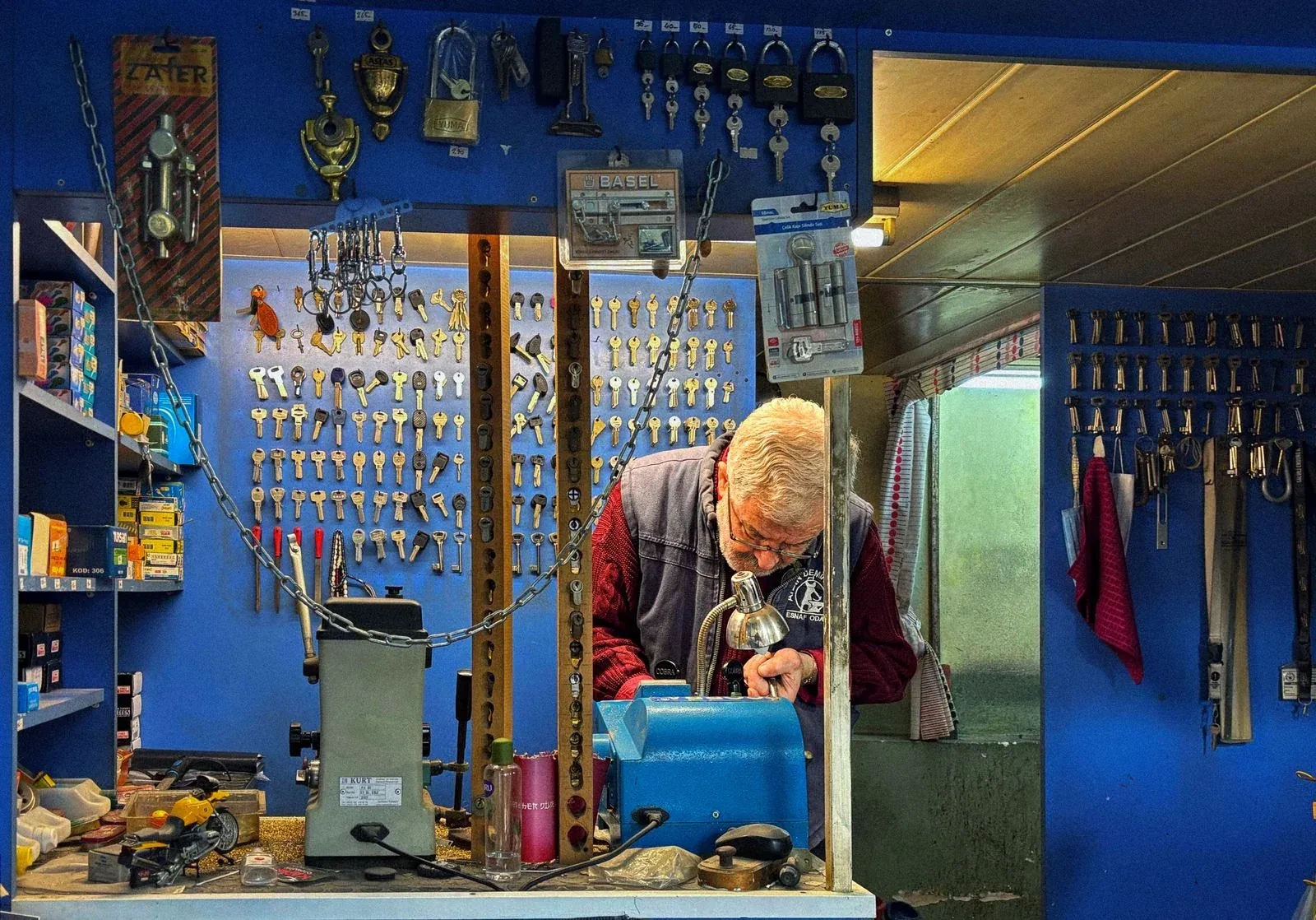
Common keys are cut on the van rather than ordered in, though some restricted systems need the blank from an authorised distributor first. The first key is cut on a code machine, a crisp, original-depth key rather than a copy of a copy, and tried in the first repinned cylinder before another is touched, so any adjustment happens once. The rest are cut to the same code, deburred, and tested in turn. Keys cut this way run smoothly from the start and stay accurate through years of copying, because every later duplicate can be made from the code rather than from a worn blade.
A note for the landlord or building manager
Where a tenancy, a condominium or a commercial lease is involved, the visit ends with a plain written note: which cylinders were rekeyed, how many keys were cut, who received them, and the key code if the property keeps a register. Tenants pass it to the landlord along with the landlord's set of new keys, keeping the paper trail on both sides current. Condominium managers can update the building's key record. A small business can file it with the lease. It is a few lines that save a long conversation later.